
After the Applause
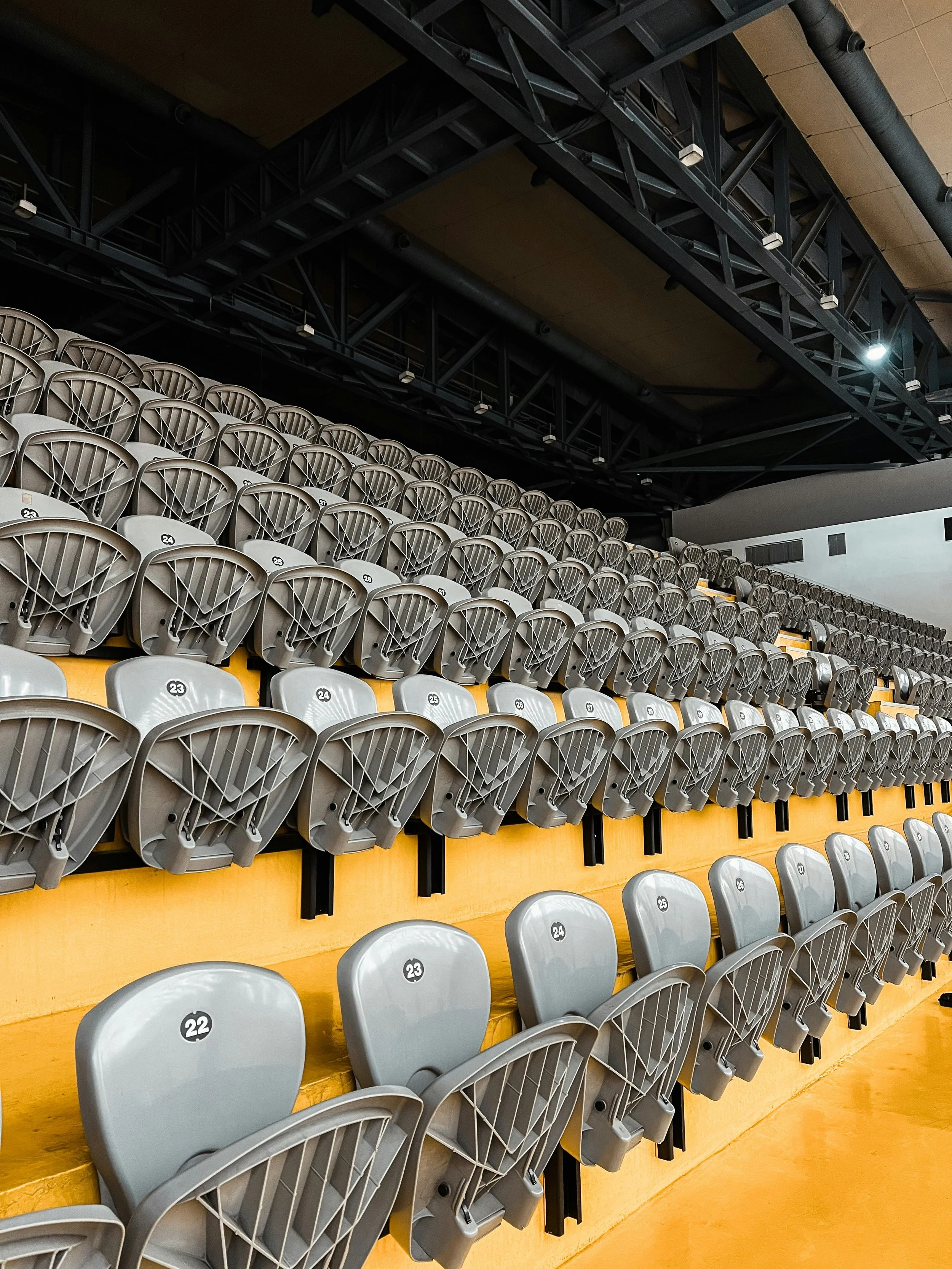
Photo by Unsplash
At University of the Pacific, the end of competition extends beyond the final whistle or horn. It unfolds gradually after the scoreboard darkens and the crowd disperses into the night. For the graduating class of 2026, this transition feels less like a single moment and more like a gradual separation from something once constant. This shift introduces a period defined by reflection rather than routine.
The fields, courts, tracks, and pools remain unchanged. Without the structure of practice and the urgency of competition, these spaces serve a new purpose. They function as places of introspection rather than performance. Lines that once guided movement now sit untouched, and the sounds of activity fade into memory. These environments now symbolize absence as much as they once represented action.
For student-athletes, sport provided more than competition. It created structure, identity, and consistency. Early mornings, shared fatigue, and unspoken understanding shaped each experience. Routine and repetition strengthened discipline over time. These patterns defined daily life and established habits that extend beyond athletics.
That structure has now stopped. The absence of routine creates a noticeable pause that signals change.
A distinct stillness follows the end of a season. This stillness differs from rest and carries more weight than relief. It appears in empty locker rooms, in the removal of nameplates, and in the final folding of a jersey. It continues in the last walk off a venue that once felt like a second home. These moments lack ceremony but demand awareness. Athletes recognize that no future game or practice will recreate this experience. This realization confirms the permanence of the transition.
Spectators experience a similar shift. The stands that once held energy now remain silent. These spaces once reflected growth, setbacks, and achievement. Now, they preserve memory instead of momentum. Although the physical structures remain the same, their meaning has changed. Absence reshapes how these environments are understood.
The lasting impact does not center on a single moment. Instead, it develops through the accumulation of experiences. Ordinary days gain importance over time. Repeated routines shape entire seasons. Connections form through shared effort rather than isolated success. These combined experiences create meaning that extends beyond competition.
Graduation introduces both recognition and distance. The identity of an athlete evolves rather than disappears. Instead of directing daily actions, it becomes part of long-term identity. This change produces both loss and accomplishment. Growth continues even as participation ends.
The conclusion of the competition does not erase what was built. It transforms those experiences into lasting qualities. Discipline becomes a habit. Teamwork becomes perspective. Resilience shapes future decisions. These qualities influence life beyond athletics and continue to guide behavior.
At University of the Pacific, the applause fades, the lights turn off, and the crowd leaves. What remains holds equal significance. The stillness that follows allows lessons, experiences, and growth to continue in a new form. This lasting effect reflects the enduring value of athletic participation.