
Burnout in College Athletes: The Hidden Opponent
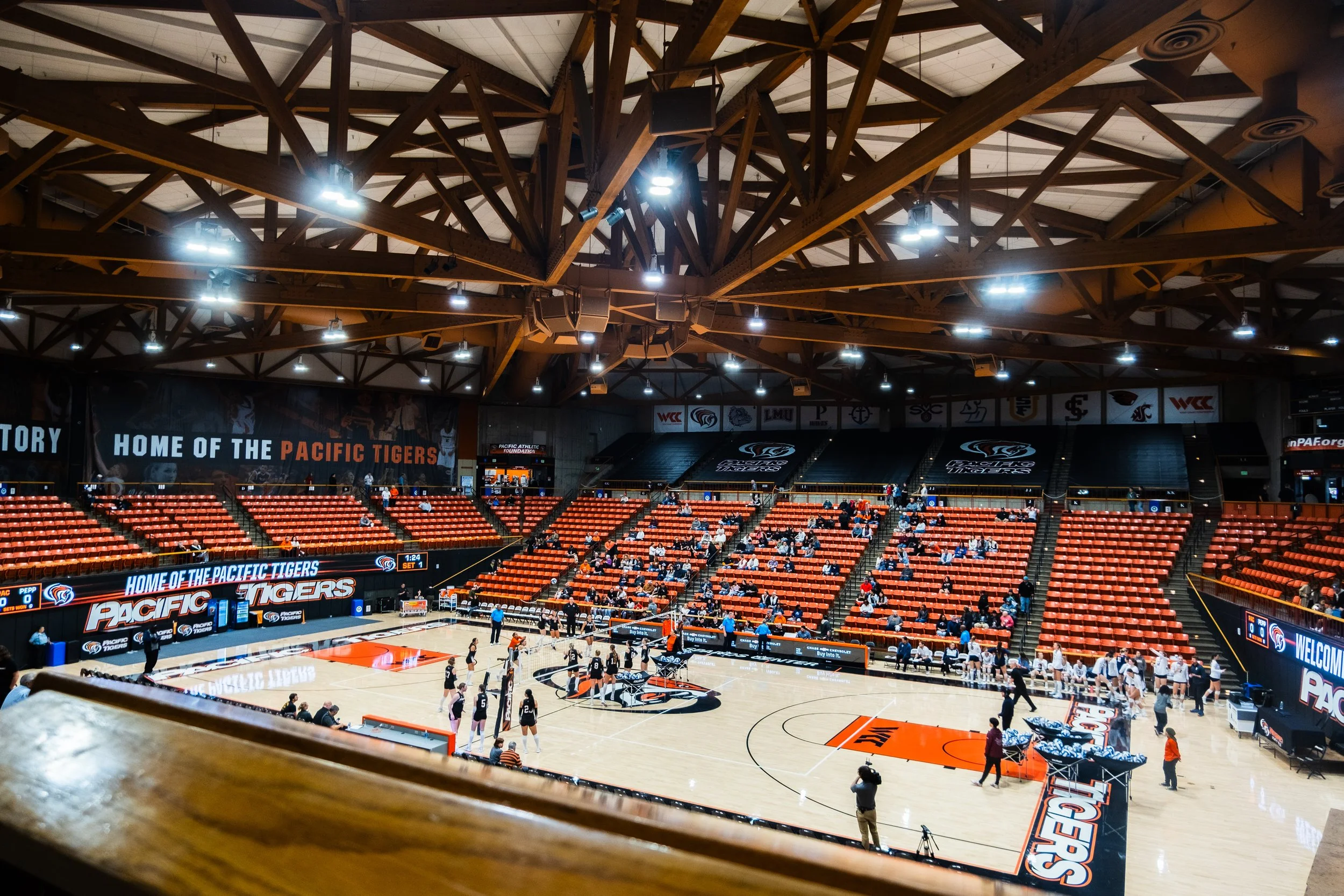
Photo by The Pacifican
As physical demands and academic pressure intensify, student-athletes face a growing mental health challenge
On game day, college athletes appear unstoppable. Bright stadium lights frame their performances as they represent their schools with pride while managing schedules that extend far beyond the playing field. Beneath the highlight reels and roaring crowds, however, a quieter opponent threatens their well-being: burnout. This hidden strain continues to grow within collegiate athletics.
College athletes increasingly experience burnout as relentless physical training, academic obligations, and emotional expectations converge. Fans witness competition and camaraderie, yet many athletes carry pressure that lingers long after the final whistle. The demands of college sports stretch beyond performance and into nearly every aspect of daily life.
More Than Just Fatigue
Sports psychologists describe burnout as chronic physical and emotional exhaustion combined with diminished accomplishment and declining motivation. Unlike ordinary post-practice fatigue, this condition develops gradually and affects both performance and mental health. Activities that once inspired excitement can transform into heavy obligations over time.
Persistent exhaustion, irritability, declining performance, heightened injury risk, and loss of enjoyment frequently signal the condition. In severe cases, competitors question whether continuing their athletic careers is worthwhile. These warning signs often accumulate quietly before anyone notices the toll.
“It felt like I was constantly running on empty,” one Division I athlete said, requesting anonymity to speak candidly. “You are expected to perform at your best every day, but you are also a full-time student. Eventually, something has to give.” His experience reflects a broader pattern among collegiate competitors.
The Weight of Expectations
The NCAA permits student-athletes to participate in up to 20 hours per week of required athletic activities during the competitive season. Coaches and programs also schedule voluntary workouts, film sessions, team meetings, medical treatment, and travel, which frequently double that time commitment. These structured obligations quickly consume most available hours.
Academic coursework, examinations, internships, and social responsibilities add another demanding layer. When combined, these responsibilities can overwhelm even the most disciplined individuals. The cumulative load leaves little room for recovery. Scholarship athletes often shoulder additional strain because programs tie financial aid to roster status and performance. This structure intensifies pressure and encourages some athletes to compete through injury, fatigue, or emotional distress. Performance expectations therefore, extend beyond pride and into financial security.
“There is this expectation that you should always be grateful for the opportunity,” the athlete said. “So when you start feeling burned out, you feel guilty for feeling that way.” That guilt frequently prevents open discussion and deepens isolation.
A Decade of Intensified Training
Many collegiate competitors arrive on campus after specializing in a single sport at a young age. Club programs, private coaching, and elite tournaments now dominate youth athletics. By the time some athletes enter college, they have trained for more than a decade with few meaningful breaks. Researchers link early specialization to increased overuse injuries and psychological exhaustion. Continuous performance demands gradually reshape a childhood passion into a year-round occupation. Sustained intensity without sufficient rest accelerates emotional depletion.
“What used to be fun starts to feel like a job,” said a former collegiate soccer player. “You still care about the game, but it does not always feel the same.” Her reflection underscores how prolonged pressure alters athletes’ relationships with their sport.
Expanding the Mental Health Conversation
Professional and Olympic athletes have recently spoken publicly about anxiety, depression, and competitive stress. Their transparency has broadened public understanding of mental health in sports and challenged outdated expectations of toughness. Collegiate programs now face similar conversations within their own locker rooms.
Universities provide counseling services, and many athletic departments employ sports psychologists and implement wellness initiatives. Despite these resources, stigma continues to discourage some athletes from seeking support. Competitive environments that reward endurance and resilience sometimes discourage vulnerability.
Coaches and administrators influence this culture significantly. By monitoring training loads, encouraging honest dialogue, and prioritizing recovery, leadership can reduce emotional strain before it escalates. Proactive support fosters sustainable performance.
Protecting the Passion
Medical professionals emphasize that rest and recovery strengthen long-term performance rather than weaken it. Adequate sleep, diverse interests outside athletics, and supportive relationships contribute to psychological balance. Holistic development protects athletes beyond the scoreboard.
Athletes must also recognize that personal value extends beyond statistics and victories. Burnout does not signal a lack of dedication; instead, it often reveals the weight of sustained commitment. Understanding this distinction empowers healthier choices. College sports offer scholarships, leadership development, and lifelong friendships while cultivating discipline and resilience. Safeguarding mental and physical health ensures that these benefits endure beyond graduation. Sustainable success depends on well-being as much as talent.
Ultimately, programs should pursue more than championships; they must prioritize longevity. The strongest teams build excellence not only through performance, but through comprehensive care for the individuals who compete.