
The Tainting of the Beautiful Game
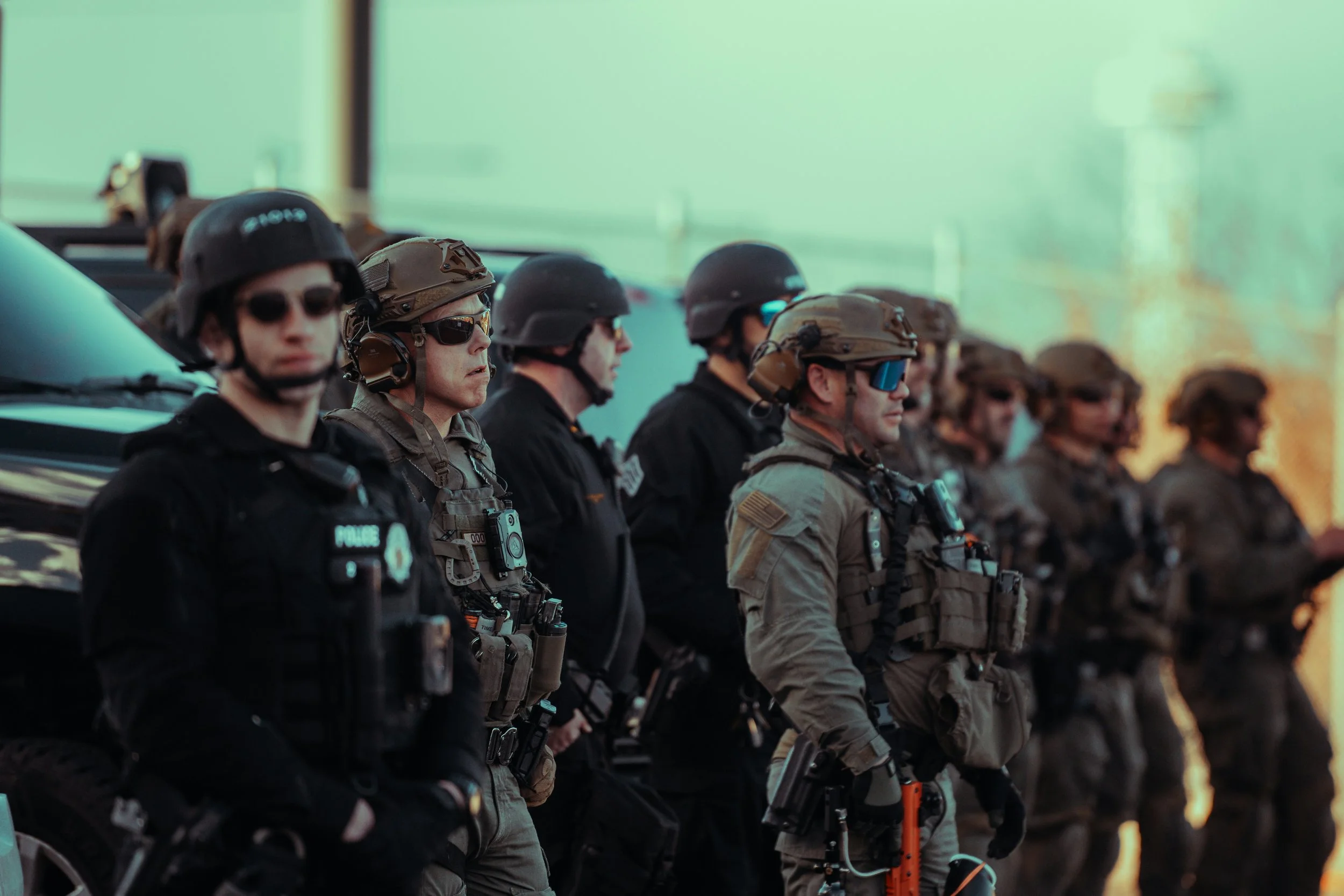
Photo by Unsplash
ICE Headlines the Slew of Challenges Facing This Summer’s World Cup
Tensions rise across the United States as Immigration and Customs Enforcement (ICE) continues its widespread assault on American communities. Protests and movements have broken out in several cities in response to the indiscriminate violence perpetrated by the federal agency, many of which continue to be characterized by clashes and mass arrests.
As the U.S. faces some of the worst instability that the country has seen in decades, the largest sporting event in the world looms on the horizon. This summer, 48 of the world’s greatest footballing nations will make the trip to North America, as Canada, Mexico, and the United States will host the first joint FIFA World Cup since Korea and Japan in 2002.
The tournament’s newly expanded format promises to bring exciting fixtures between fresh and familiar faces, with many touting this cup as a high point in its history. Argentina, led (potentially) by an aging Lionel Messi, enters as a favorite to defend its title, while Brazil, Germany, and Mexico aim to restore their cup dignity after embarrassing early exits in Qatar 2022.
Morocco is poised to make another deep run this year, but they will have to survive the newly crowned African Cup champions, Senegal, who are led by a superstar of their own in Sadio Mané and have more quality than ever. Haiti and Curaçao will make their World Cup debut, among others.
However, the beauty of the World Cup, its pain, its madness, its glory, is being overshadowed. The elation expressed by American fans as the cup was announced in 2018 has given way to apathy at best, and at worst, fear. Federal officials have confirmed plans to station ICE agents at games, and the fraternity expressed between Gianni Infantino, president of FIFA, and President Trump has delivered the organization’s message of condonation.
The ramifications have only begun to expose themselves, but are already grave. Ever entrenched in their position, the federal government has expressed willingness to revoke player VISAs from certain countries, including Iran, a tactic never seen before among host-nations. Fan protests and boycotts have already begun, and are sure to become more widespread as the Cup draws nearer.
Notably, some prominent members of the footballing community have already started boycotts and protests of their own. Former president of FIFA, Sepp Blatter, the former president of FIFA, who stepped down amid a corruption scandal, called for fans to boycott the tournament in response to the American bombing and invasion of Venezuela. A movement in the Netherlands to keep their team home for the Cup has garnered serious support, and discussions on potential national team boycotts are being held in France and Germany, mostly in response to ICE’s recent killings of Minnesotans Renee Nicole Good and Alex Pretti.
Locally, Santa Clara is set to host six games during the tournament, including five in the group-stage and one round-of-32 matchup that could feature the United States National Team. ICE was present at Levi’s Stadium for the Super Bowl, though no arrests were reported during the game.
Sources: