
The Venezuelan Invasion
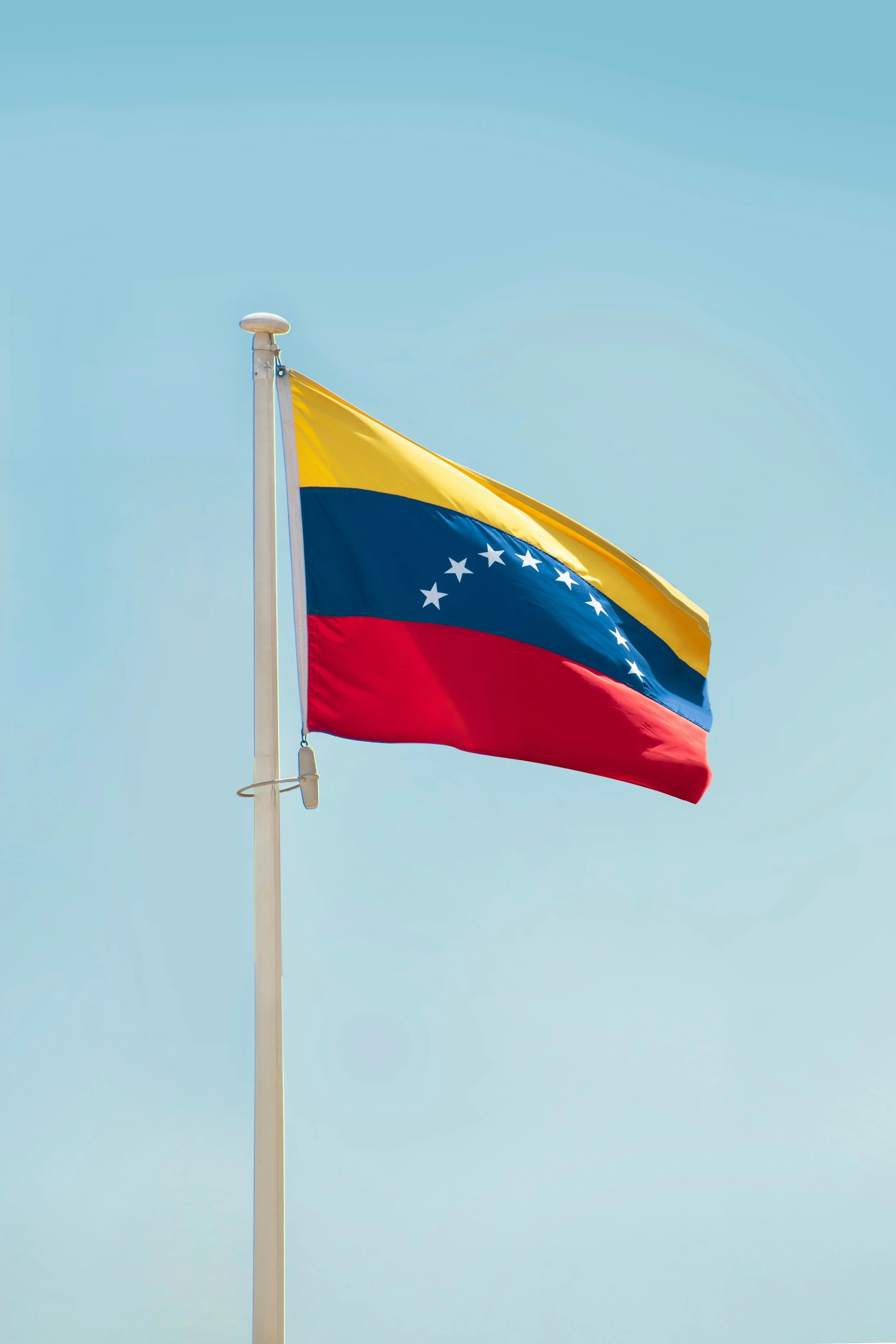
Photo by Unsplash
What does any of this mean?
In the early hours of January 3rd, the United States launched a military invasion on Venezuela. Operation “Absolute Resolve,” focused on capturing the Venezuelan capital, Caracas, in hopes of arresting the acting Venezuelan President. It began with more than 150 aircrafts—some launching bombs (to military targets), some prepared to fight, and others were reconnaissance planes whose focus was on gathering intelligence for the United States. The planes worked in parallel with the U.S. Special Operative Delta Force Soldiers, who began invading the capital with the help of the Central Intelligence Agency (CIA).
For months, the United States Government had been planning their attack, spying and lying in wake. At five in the morning of January 3rd, President Trump announced the capture of Venezuelan President Nicolás Maduro and his wife Cilia Flores; the two were arrested on narcoterrorism and cocaine importation conspiracy. Delta Force Soldiers had stormed Maduro’s safe house and fought off Maduro’s security team. It was only as the events were already unfolding that Congress and other Government officials in the United States were informed of the invasion operation. When, at the official news conference that Saturday, President Trump was asked why the issue had not been brought to Congress, he stated: “Congress has a tendency to leak.” They needed operation ‘Absolute Resolve,’ to be of the utmost secrecy, and a complete surprise to succeed.
As news spread to the United States public, people became more and more polarized. Republicans rejoiced in the toppling of the authoritarian dictator. The Center for Preventive Action claims that, under Maduro, Venezuelans were facing severe shortages of food and medicine, as well as high spread of infectious diseases. Republicans believed that by occupation, and by effectively putting Venezuela under United States control, the people of Venezuela would be saved and have a chance to live a better life. They also hoped that this might damage the multi-billion dollar illegal drug industry—a large portion of which is smuggled into the United States every year.
Democrats did not agree with the President's decision to act alone. They believe that by bypassing Congress the President was acting illegally and thoughtlessly. The President’s interest in Venezuela’s oil reserves has also not sat well with Democrats, who claim that the military invasion was not done for the good of the Venezuelan people, and solely to allow the U.S. access to Venezuelan oil. They worry that, as President Trump now plans for the United States to ‘run’ Venezuela until he believes that power can safely be transferred, Venezuela is simply being passed from one dictator to the next.
Opinions from the Venezuelan people themselves are also mixed. Many are rejoicing and celebrating the fact that their authoritarian dictator, who rigged their 2024 election and illegally assumed control, is finally gone. Gabriela Montero, Venezuelan activist, was overjoyed about the removal of Maduro stating: “This is not a matter of the U.S. coming in and taking our riches and taking our resources. This is about removing from office a group, and in this case, right now, the usurper president, and allowing, in this next phase, a space for a transition which will finally lead the road to our freedom.” It should also be noted that the United States, through the Monroe doctrine, has a long history of launching interventions in Latin America. During the Cold War, socialism sparked all throughout the region, a fact which terrified the United States and led to them getting involved and toppling governments—many of which ended unsuccessfully and created far more harm for the people living through them, than good.
That aside, many throughout the U.S. are wary of the President's decision to get involved in what they believe could quickly become another war. The United States has been a part of many foreign conflicts, and Americans find themselves worried that an occupation of Venezuela could result in the loss of American resources and potential lives. The outcomes of the invasion are still undergoing, and it will likely be a long time before we are able to understand the true reasons for why the invasion occurred, or what the effects will be.
Sources:
https://www.cfr.org/global-conflict-tracker/conflict/instability-venezuela
https://www.brookings.edu/articles/making-sense-of-the-us-military-operation-in-venezuela/
https://abcnews.go.com/ThisWeek/video/1-1-secretary-state-marco-rubio-128886956
https://www.cnn.com/world/live-news/venezuela-explosions-caracas-intl-hnk-01-03-26
https://www.bbc.com/news/articles/cdred61epg4o
https://www.aljazeera.com/news/2026/1/3/us-lawmakers-react-to-attack-on-venezuela-capture-of-maduro